📍 Rome, Italy

Trevi Fountain: Rome's Most Iconic Baroque Wonder

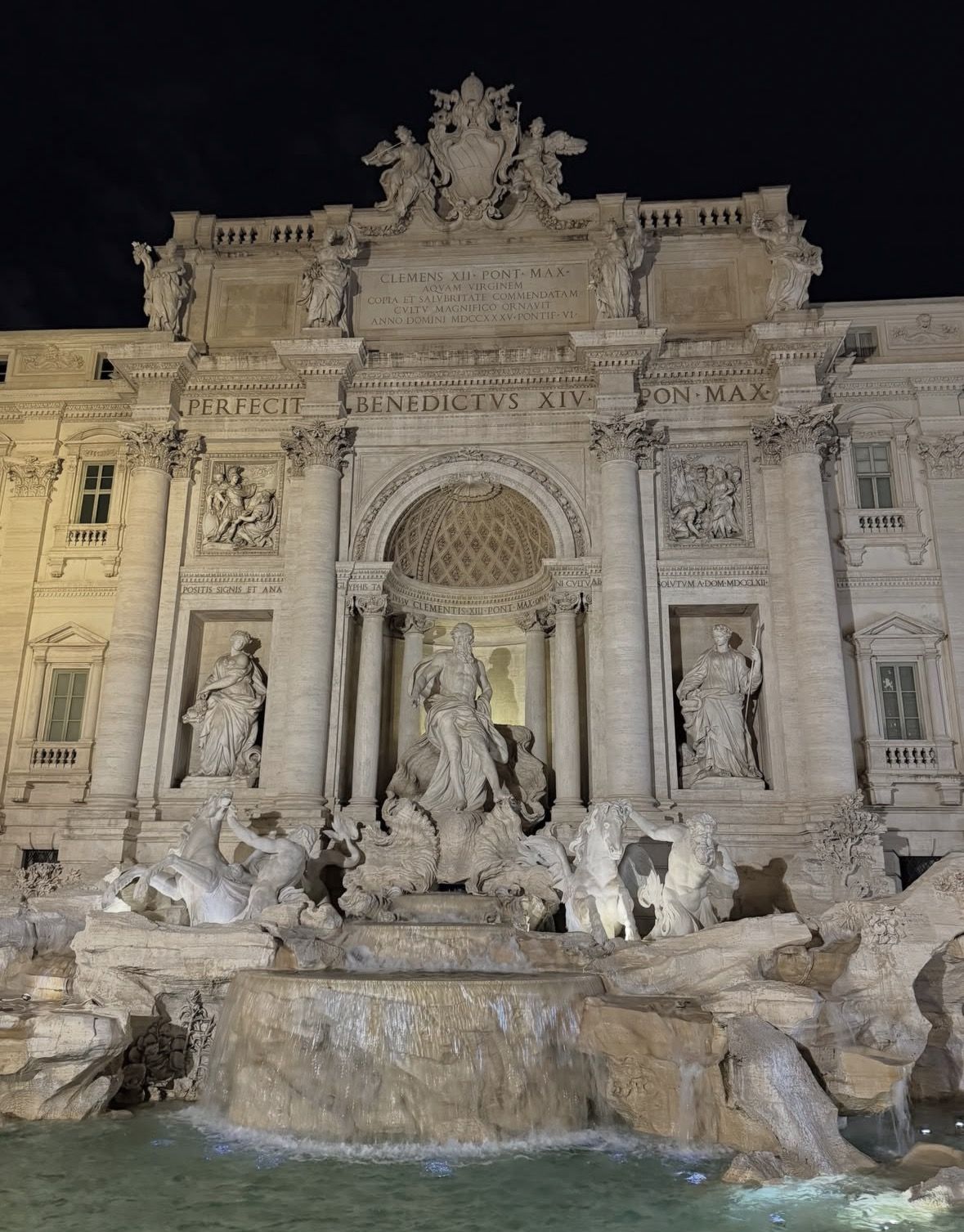
Standing 26 metres tall and carved from luminous travertine stone, this magnificent fountain has captivated visitors for over 260 years. From ancient aqueducts to silver-screen fame, every detail tells a story worth discovering.

Walk Rome's Most Iconic Sites with a Master Storyteller

The Rome City, Pantheon, and Trevi Fountain Walking Tour is your passport to the eternal city's most celebrated landmarks. Crowned a Tripadvisor Travellers' Choice Award winner for 2021 and ranked among Italy's top ten experiences, this guided walk takes you through layers of history — from the ancient marvel of the Pantheon to the baroque drama of Piazza Navona and the shimmering spectacle of the Trevi Fountain. Your storyteller-guide shares insider knowledge, cultural secrets, and local recommendations you simply won't find in any guidebook.

  • 🏛️ Visit Rome's three must-see monuments: Pantheon, Trevi Fountain & Piazza Navona
  • 🏆 Tripadvisor Travellers' Choice Award winner 2021 — top ten experiences in Italy
  • 📖 Expert storyteller-guide reveals history and culture beyond the guidebooks
  • 📸 Plenty of time for photos and memories at every landmark
  • 🗺️ Local insider tips and neighbourhood recommendations included
Book Now
⭐ Top Rated Rome City, Pantheon, and Trevi Fountain Walking Tour

Where Is Trevi Fountain Located in Rome?

Nestled in the compact Trevi district of central Rome, this legendary landmark sits at the junction of three ancient roads. It is within comfortable walking distance of the Pantheon, Spanish Steps, and the heart of the city's historic centre.

Trevi Fountain occupies a dramatic position at the junction of three streets — a geography encoded in its very name, derived from the Latin 'trivium.' It sits in the Quirinale district of central Rome, embedded directly into the rear façade of Palazzo Poli. The surrounding piazza is modest in size, which makes the fountain's sheer scale feel even more astonishing when you first round the corner and encounter it. Coordinates place it at approximately 41.9009° N, 12.4833° E, in the heart of the historic centre.

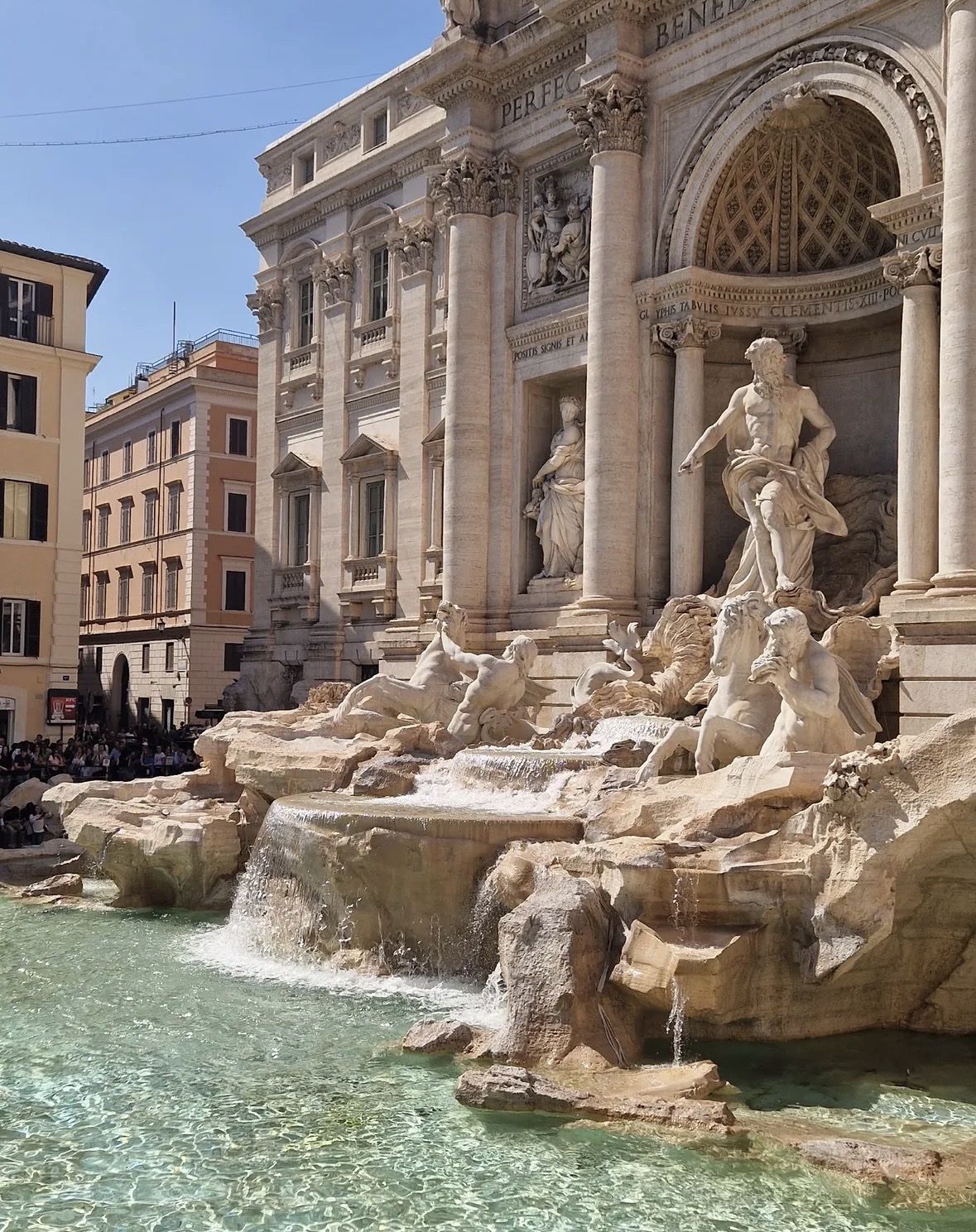
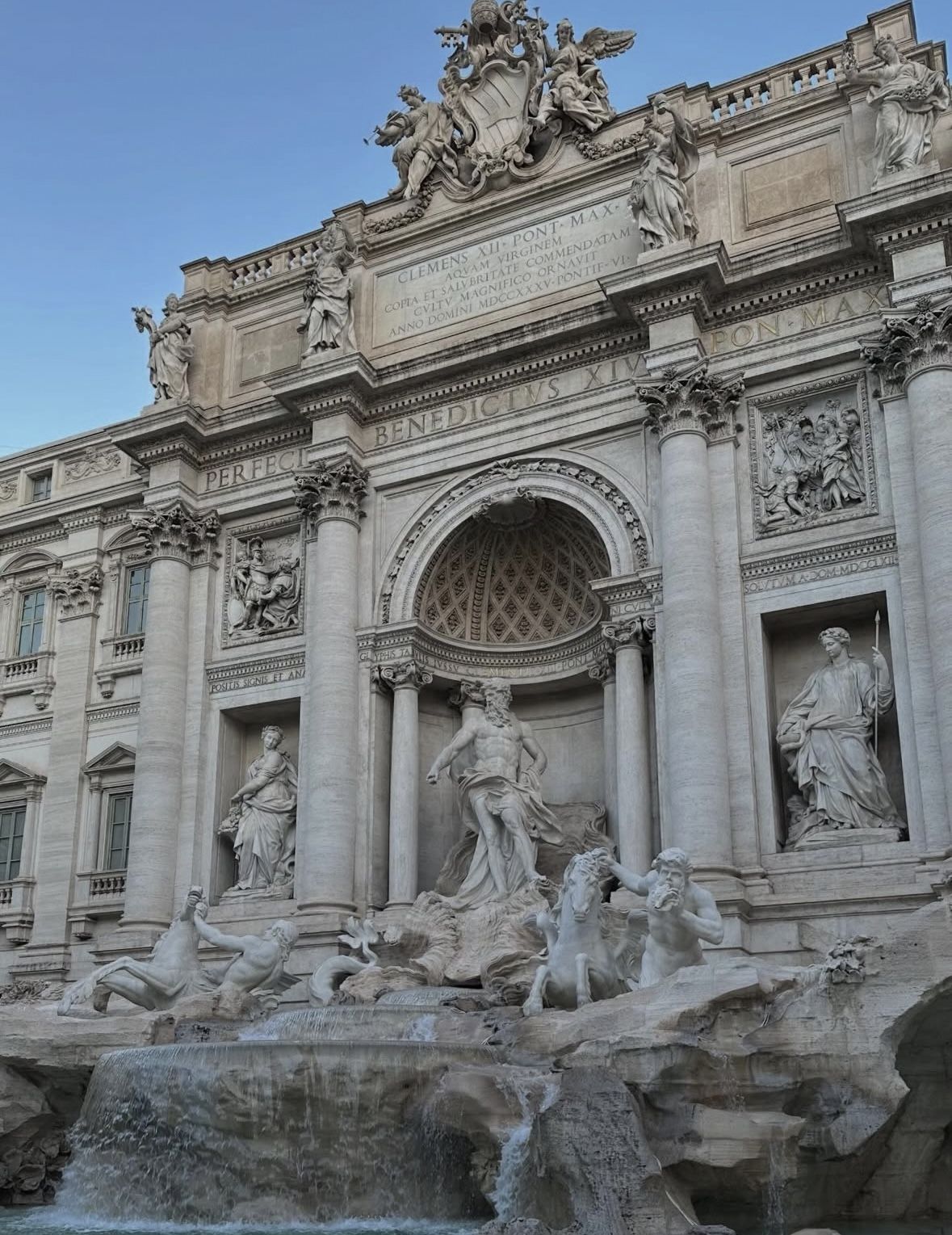
Commissioned by Pope Clement XII in 1730 and designed by Nicola Salvi, the fountain was completed by Giuseppe Pannini in 1762 — nearly three decades of Baroque ambition in stone and water. It draws on an even older legacy: the Aqua Virgo aqueduct, constructed in 19 BC by Marcus Agrippa, which still channels water beneath Rome's streets to this day. Earlier iterations of a fountain on this site date to the Renaissance, but it was Salvi's grand vision that created the world-famous landmark standing here now.

Visiting the fountain today means joining millions of travellers who arrive each year to admire its cascading waters and theatrical sculptures. The piazza can feel overwhelmingly crowded at midday, but arriving at dawn or late in the evening rewards visitors with an almost serene encounter. Trevi fountain tickets for the reserved basin-side seating area are expected to become available ahead of the 2025 Jubilee, offering a more comfortable vantage point. Photography enthusiasts will find the best light in the golden hour just after sunrise.


📐
Height 26.3 metres
↔️
Width 49.15 metres
🏛️
Completed 1762
💶
Coins collected annually ~€1.5 million
👣
Annual visitors ~3 million
🌊
Aqueduct age Over 2,000 years
🏗️
1762
Decades in the Making

Construction began in 1732 and took 30 years to complete. Nicola Salvi oversaw much of the work but died before its completion, leaving Giuseppe Pannini to finish his vision.

💧
19 BC
Ancient Water Supply

The Aqua Virgo aqueduct, commissioned by Marcus Agrippa, still feeds the fountain after more than two millennia. It stretches roughly 22 kilometres from springs east of Rome.

💰
€1.5M
Coins for a Cause

Each year approximately €1.5 million in coins is scooped from the basin. The funds are donated to Caritas, Rome's Catholic charitable organisation supporting those in need.

🎬
5+
Film Appearances

The site has starred in celebrated films including Three Coins in the Fountain (1954), Roman Holiday, Federico Fellini's La Dolce Vita, and The Lizzie McGuire Movie, cementing its cultural legend.

🧱
Travertine
Stone of the Ancients

The entire structure is built from travertine limestone, the same material used in the Colosseum. This warm, cream-coloured stone was quarried near Tivoli, just outside Rome.

🔦
2014–15
Fendi-Sponsored Restoration

Fashion house Fendi funded a major €2.18 million restoration between 2014 and 2015, cleaning centuries of grime, repairing cracks, and installing improved LED lighting to showcase the sculptures.

🚶

Guided Walking Tours

Small-group and private walking tours pair the fountain with nearby landmarks like the Pantheon and Piazza Navona. Expert guides bring the Baroque sculptures and Roman mythology to vivid life.

💫

Coin-Tossing Ritual

Stand with your back to the basin, toss a coin over your left shoulder with your right hand, and legend promises you'll return to Rome. Two coins means love; three means marriage.

📸

Sunrise Photography

Arrive before 7 am to photograph the fountain with almost no crowds. The early light creates a warm golden glow on the travertine stone and shimmering water that midday shots simply cannot match.

🌙

Evening Illumination Visit

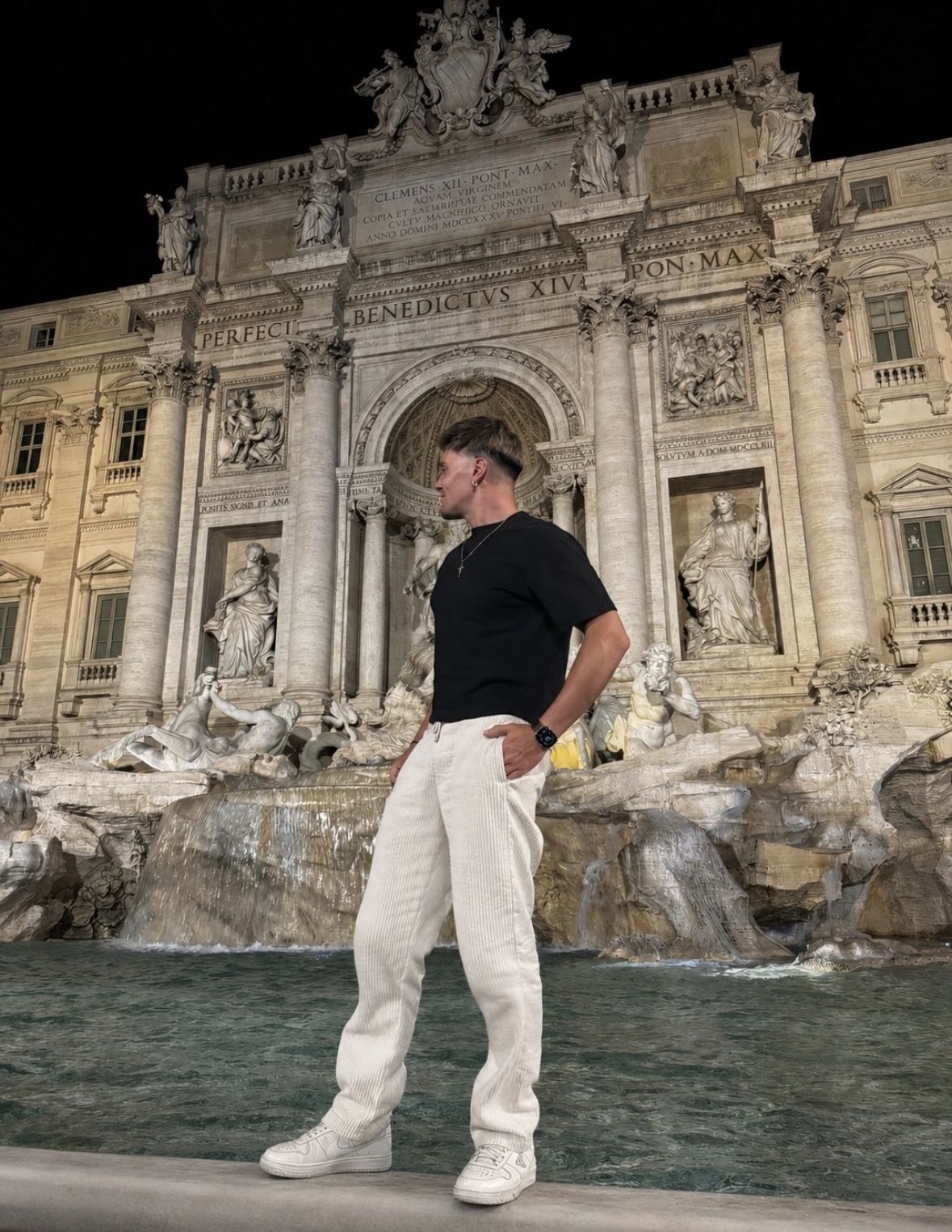
After dark, floodlights transform the fountain into a glowing theatrical spectacle. Evening is one of the most atmospheric times to linger in the piazza and absorb its grandeur without the peak-hour rush.

🍽️

Nearby Dining & Gelato

The surrounding lanes are lined with trattorias and gelaterias. Grab a scoop from a nearby artisan gelateria and wander the charming streets of the Trevi neighbourhood between sights.

🏛️

Underground Aqua Virgo Tour

Some specialist tour operators offer access to sections of the ancient Aqua Virgo aqueduct beneath Rome's streets — an extraordinary underground perspective on the engineering that keeps the fountain flowing.

How Trevi Fountain Compares to Similar Iconic Landmarks

Weighing Rome's Baroque masterpiece against other world-famous fountains and public monuments to help you plan the perfect itinerary.

When planning a European itinerary, travellers often wonder how Trevi Fountain stacks up against other celebrated public monuments and grand fountains around the world. Each has its own architectural character, crowd profile, and cultural weight. This comparison table breaks down the key factors — from crowd levels and cost to the unique experiences each site offers — so you can decide which landmarks deserve priority on your trip and what to realistically expect when you arrive.

CrowdsPriceBest ForWhat Sets It Apart
★ Trevi FountainVery High (peak hours); manageable at dawn or late nightFree entry; ticketed basin area planned for JubileeBaroque art lovers, romantics, film fans, history enthusiastsWorld's largest Baroque fountain, fed by a 2,000-year-old aqueduct, iconic coin-tossing tradition
Fontaine de la Concorde, ParisModerate; shares space with a large open squareFree; no ticketed areaThose combining with Champs-Élysées and Louvre visitsNeoclassical elegance in Paris's grandest public square; striking obelisk backdrop
Bellagio Fountains, Las VegasHigh during shows; wide boulevard provides spaceFree to watch from the sidewalkSpectacle-seekers and evening entertainment loversChoreographed water-and-music shows every 15–30 minutes; dramatic modern engineering
Manneken Pis, BrusselsHigh for its tiny size; underwhelming for many visitorsFree entryCurious travellers and those exploring Brussels's historic centreFamously diminutive yet culturally beloved; dresses in costume for special occasions

None of these alternatives combine ancient engineering, Baroque artistry, cinematic fame, and living ritual quite like Trevi Fountain does. The Bellagio dazzles with modern spectacle, Paris's Concorde fountains impress with neoclassical grandeur, and the Manneken Pis charms with quirky folklore — but only this Roman masterpiece offers the feeling of standing at the intersection of 2,000 years of history while making a wish.

Trevi Fountain Everything You Need to Know

Everything you need to know to plan a seamless and memorable visit to Rome's most celebrated Baroque landmark.

How to Get to Trevi Fountain in Rome

Rome is served by two major international airports: Leonardo da Vinci–Fiumicino (FCO), approximately 30 kilometres from the city centre, and Ciampino (CIA), around 15 kilometres away. From Fiumicino, the Leonardo Express train connects to Roma Termini in 32 minutes. From Termini, the fountain is easily reached by metro, bus, or a 25-minute walk through the historic centre. Taxis and ride-share services are available from both airports directly to the Trevi district.

Once in Rome, the fountain is not served by a direct metro stop, but it is very walkable from several key transit points. The nearest metro station is Barberini on Line A, roughly a 10-minute walk away. Numerous bus lines stop on Via del Tritone and Via del Corso nearby. Rome's historic centre is compact and pedestrian-friendly, making walking between attractions the most rewarding and practical option for most visitors.

  • ✈️ Fly into Rome Fiumicino (FCO) — the main international gateway, 30 km from the city
  • 🚆 Take the Leonardo Express train from FCO to Roma Termini (32 minutes, €14)
  • 🚇 Ride Line A metro to Barberini station — a 10-minute walk to the fountain
  • 🚌 Buses 40, 62, 116, and H stop close to the Trevi neighbourhood
  • 🚕 Taxis from Termini to the Trevi district take roughly 15 minutes (fare ~€10–15)
  • 🚶 Walk from the Pantheon (~10 min) or Spanish Steps (~15 min) through scenic streets
  • 🛵 Avoid driving — the surrounding streets are limited traffic zones (ZTL) for non-residents
Map of central Rome showing walking routes and metro stops near the Trevi Fountain area

Best Time of Year to Visit the Trevi Fountain

The best months to visit are April to early June and September to October. During spring, Rome enjoys mild temperatures (15–22°C), blooming gardens, and manageable tourist numbers before the summer surge. Early autumn brings similarly pleasant weather as crowds thin after the August peak. These shoulder seasons offer the ideal balance of comfortable conditions, good light for photography, and a less overwhelming piazza experience overall.

Roman summers (July–August) are hot, humid, and intensely crowded — temperatures regularly exceed 35°C, and the piazza can feel suffocating at midday. Winter (December–February) is quieter and cooler (5–12°C), with occasional rain, but it offers a uniquely uncrowded atmosphere and festive charm in December. Regardless of season, arriving before 7 am or after 9 pm on any day will dramatically reduce the crowds you encounter.

  • 🌸 April–May: Ideal shoulder season — mild weather, fewer crowds, great photography light
  • ☀️ June–August: Peak summer — very hot (30–36°C) and extremely crowded; avoid midday
  • 🍂 September–October: Excellent autumn window — warm, quieter, and beautifully lit
  • ❄️ November–March: Quietest period; cooler and occasionally wet, but uncrowded and atmospheric
  • 🌅 Dawn visits (before 7 am): Best year-round strategy for near-empty piazza photography
  • 🌙 Evening (9 pm onwards): Floodlit and romantic; crowds thin significantly after dinner hours
  • 📅 Avoid Italian public holidays and the August Ferragosto period when Rome fills with tourists
The Trevi Fountain piazza in early morning spring light with very few visitors present

What to Pack for Your Visit to the Trevi Fountain

Rome's historic centre is an outdoor urban environment, so packing light and smart makes all the difference. Comfortable walking shoes are non-negotiable — the cobblestones around the piazza and surrounding streets are uneven and hard on feet. A reusable water bottle is recommended; Rome's famous 'nasoni' public drinking fountains are scattered throughout the area and offer free, clean water directly from the aqueduct system.

In summer, sun protection is essential for the open piazza: a hat, sunglasses, and SPF 30+ sunscreen will protect you during longer visits. Modest clothing is advisable if you plan to enter nearby churches — shoulders and knees should be covered. A compact camera or a smartphone with a good lens will serve most photography needs, though a wide-angle adapter helps capture the full width of the 49-metre facade.

  • 👟 Comfortable, well-cushioned walking shoes suitable for cobblestones
  • 🎒 A lightweight daypack for water, sunscreen, and a jacket for cooler evenings
  • 💧 Reusable water bottle — refill for free at Rome's public 'nasoni' drinking fountains
  • 🧴 Sunscreen (SPF 30+), sunhat, and sunglasses for summer piazza visits
  • 👗 Modest clothing (covered shoulders and knees) if visiting nearby churches
  • 📷 Smartphone or camera with wide-angle capability to capture the full façade
  • 💶 Small coins (€1 or €2) for the traditional coin-tossing ritual
  • 🔋 Portable power bank to keep your devices charged during a full day of sightseeing
Travel essentials laid out for a Rome sightseeing day including walking shoes, water bottle, sunscreen, and camera

Local Insider Tips for Visiting the Trevi Fountain

Locals know that the fountain belongs to early risers and night owls. Arrive before 7 am to experience the piazza in near-solitude — a genuinely magical contrast to the midday crush. If you want to visit trevi fountain without battling selfie sticks, a weekday morning in late autumn or winter is your best option. Be aware that eating, drinking, or wading in the water is strictly prohibited and subject to fines of up to €450.

The surrounding neighbourhood rewards slow exploration. Duck into the narrow side streets for excellent, less-touristy trattorias where locals actually eat. Avoid restaurants with photos on laminated menus directly in the piazza — they typically offer poor value. The area's best gelato is found a couple of blocks from the main attraction. Cash is useful in smaller cafes, though card payments are increasingly accepted across Rome.

  • ⏰ Arrive before 7 am or after 9 pm for the most peaceful, crowd-free experience
  • 🚫 Do not sit on the fountain rim, paddle in the water, or eat in the restricted zone — fines apply
  • 💰 Toss your coin from the right hand over the left shoulder facing away from the water
  • 🍽️ Eat one or two streets away from the piazza for far better food at lower prices
  • 📵 Be mindful of pickpockets in the crowded piazza — keep bags zipped and in front of you
  • 🗣️ Book a guided tour in advance during spring and summer — good guides sell out weeks ahead
  • 🎟️ Check for trevi fountain tickets updates ahead of your visit as a ticketed basin zone may be introduced
Quiet early morning view of the Trevi Fountain piazza with a handful of visitors enjoying the space peacefully

Health & Safety Tips for Visiting the Trevi Fountain

Rome is generally a very safe city for tourists, and the Trevi area presents no unusual health risks. Standard European travel precautions apply: no special vaccinations are required for EU or most Western visitors. In summer, heat exhaustion is a genuine concern — the open piazza offers little shade, so hydrate consistently, take breaks in shaded side streets, and avoid the most intense midday sun between 12 pm and 3 pm during July and August.

The main safety concern around the site is petty theft and distraction scams targeting tourists in crowded conditions. Keep valuables secured, be wary of strangers offering unsolicited bracelets or gifts, and use official licensed taxis rather than unlicensed drivers approaching you. Italy's emergency number is 112. The nearest hospital is Policlinico Umberto I; pharmacies (farmacie) are plentiful in the surrounding streets for minor needs.

  • 🌡️ Stay hydrated in summer — carry water and rest in shade between 12 pm and 3 pm
  • 🧴 Apply sunscreen before visiting the open piazza, especially in June through August
  • 👜 Keep bags zipped, worn in front, and wallets in front pockets in crowded areas
  • 🚫 Decline unsolicited gifts, bracelets, or rose-sellers — accepting creates pressure for payment
  • 🚕 Use only official white taxis or reputable ride-share apps; avoid unlicensed drivers
  • 🏥 Emergency number in Italy is 112; nearest major hospital is Policlinico Umberto I
  • 💊 Farmacie (pharmacies) are abundant nearby and identifiable by a green cross sign
A traveller using a water bottle at a Roman public drinking fountain near the Trevi Fountain piazza

All Tours

The Trevi neighbourhood sits at the centre of Rome's greatest concentration of historic landmarks, making it the perfect base for a full day of cultural exploration on foot.

Trevi Fountain What Visitors Are Saying

Travelers share their experiences visiting the Trevi Fountain, Rome's most spectacular Baroque masterpiece.

★★★★★

"Arriving just after sunrise was the single best decision we made in Rome. The piazza was nearly empty, the golden light hit the travertine perfectly, and we had almost the entire space to ourselves for nearly an hour. We tossed our coins with plenty of room to breathe and actually felt the magic of the ritual rather than being jostled by crowds. I genuinely got emotional standing in front of something so breathtakingly beautiful — it exceeded every expectation I had built up over a lifetime of seeing it in photographs."

CM
Claire M.April 2025
★★★★★

"We booked a guided evening tour that included the fountain as part of a broader Rome by night itinerary, and I cannot recommend this approach highly enough. Our guide explained the mythology behind Oceanus and the sea horses in a way that made the whole composition come alive, and the floodlighting at night is genuinely dramatic. The crowds were still present but manageable, and the atmosphere felt almost cinematic — very La Dolce Vita. A wonderful way to experience this iconic site with real context and storytelling."

JR
James R.February 2025
★★★★☆

"Stunning in every sense of the word, though I wish I had been better prepared for the sheer volume of visitors during the afternoon. We went around 3 p.m. on a Saturday and it was absolutely packed — getting close to the basin required patience and some gentle maneuvering. The fountain itself is magnificent up close; the sculptural detail is extraordinary and far more impressive than any photo suggests. I'd go back in a heartbeat but would set my alarm for 7 a.m. this time."

SB
Sofía B.June 2025
★★★★★

"I have visited many famous landmarks around the world, and this one genuinely moved me in a way I did not expect. The scale alone is staggering — it seems to erupt from the palazzo behind it like something organic rather than built. We joined a small group tour focused on Baroque art history, and the guide's explanation of Nicola Salvi's design choices gave us an entirely new lens through which to appreciate it. Tossing my coin and making a wish felt surprisingly sincere rather than touristy. Absolutely unmissable."

HL
Henrik L.March 2025
★★★★★

"We visited with our two children, aged seven and ten, and they were completely awestruck — which is saying something for kids who spend a lot of time on screens. We told them the legend of the coins and they each threw one in with tremendous seriousness and ceremony. Watching their faces as they took in the tritons and sea horses was one of the highlights of our entire trip to Italy. It is one of those rare places where the reality genuinely surpasses the hype, and the memory will stay with our family for a long time."

PK
Priya K.July 2025
★★★★☆

"Absolutely gorgeous and well worth a visit, though a little advance planning goes a long way here. We arrived mid-morning and queued briefly before getting a good spot along the railing to take photos and enjoy the view. The Baroque sculpture is genuinely world-class and the sheer size of it against the backdrop of the Palazzo Poli is something you can only really appreciate in person. I knocked one star off purely because of the litter and noise level during peak hours, which slightly dimmed the atmosphere, but the monument itself is flawless."

MF
Marco F.May 2025
★★★★★

"I had dreamed of visiting this place since watching Roman Holiday as a teenager, and standing in front of it for the first time was a full-circle moment I will never forget. The detail in every carved figure is extraordinary — you could spend an hour just studying the faces and drapery. We visited at dusk when the lights begin to glow and the sky turns deep blue, which created a genuinely magical atmosphere. The nearby streets are also lovely for an evening stroll, with gelato shops and wine bars just minutes away."

NT
Naomi T.September 2025
★★★★★

"Our guide from the walking tour we booked made all the difference — she knew exactly when and where to position us for the best light and explained the history of the Aqua Virgo aqueduct in fascinating detail. Learning that the water supply dates back to 19 BC made the whole experience feel even more profound. We threw our coins the traditional way: right hand over the left shoulder, facing away from the basin. Whether or not it guarantees a return to Rome, it certainly felt like a meaningful gesture. A truly unforgettable experience."

LO
Liam O.October 2025

Watch the Trevi Fountain Come Alive

Explore the beauty, history, and atmosphere of Rome's most iconic fountain through stunning video footage before you arrive.

Video preview thumbnail showing the illuminated Trevi Fountain at night with cascading water and dramatic Baroque sculptures

Find Trevi Fountain

Trevi Fountain is located at Piazza di Trevi, 00187 Rome, Metropolitan City of Rome, Italy — in the Quirinale district of the historic city centre.

Trevi Fountain Frequently Asked Questions

Everything you need to know before you visit, from tickets and timing to coins and crowd tips.

The fountain itself has traditionally been free to view from the surrounding piazza, and there is no admission charge to simply stand and admire it. However, Rome is introducing a ticketed access system for the immediate basin area to better manage the enormous daily crowds. If you plan to get very close to the water's edge, it is worth checking the latest Trevi Fountain tickets information before your trip, as fees and access rules may apply by the time you visit in 2026.
Early morning — ideally between 7 a.m. and 8:30 a.m. — is widely considered the best window, as the crowds have not yet arrived and the soft morning light is ideal for photography. Late evenings, when the monument is beautifully floodlit, offer a similarly atmospheric experience with fewer visitors than the peak afternoon hours. Midday on weekends tends to be the most crowded, so it is best avoided if you want breathing room. Planning your visit trevi fountain style means treating it as a leisurely experience, not a rushed checkbox.
The traditional method is to stand with your back to the fountain, hold a coin in your right hand, and toss it over your left shoulder into the water. Throwing one coin is said to guarantee a return to Rome, two coins means you will fall in love, and three coins means a forthcoming marriage. The ritual has roots in ancient pagan water-spirit offerings and was popularized in the 1954 film Three Coins in the Fountain. Millions of euros are collected from the basin each year and donated to a Roman charity feeding people in need.
As of 2025–2026, ticketed access is being phased in for the roped-off area closest to the basin, particularly during peak tourist season. While spontaneous visits to the outer piazza remain possible, booking Trevi Fountain tickets in advance is strongly recommended if you want guaranteed close-up access without queuing. Tickets can typically be purchased through the official Roma Capitale tourism platforms or authorised booking partners. Always check the latest information closer to your travel date, as ticketing policies continue to evolve.
Most visitors find that 30 to 45 minutes is enough time to appreciate the fountain, take photographs, and toss a coin at a comfortable pace. If you are joining a guided tour, the stop typically lasts 45 to 60 minutes and includes historical and artistic commentary that adds significant depth to the experience. Architecture and art enthusiasts may want longer to study the sculptural programme in detail. The surrounding piazza also has cafes and gelato shops that invite a leisurely linger.
The central and most dominant figure is Oceanus, the god of all water, shown standing triumphantly in a shell-shaped chariot drawn by two sea horses — one calm and one wild — representing the ocean's dual nature. He is flanked by two Tritons blowing conch-shell trumpets to herald his passage. In the upper niches, allegorical figures representing Abundance and Salubrity watch over the scene. Relief panels above depict Agrippa approving the aqueduct's construction and the legendary virgin Trivia showing soldiers the spring that would feed it.
The fountain sits in the Trevi district, just a short walk from some of Rome's other great landmarks. The Pantheon is roughly a 10-minute walk to the southwest, while the Spanish Steps are about 15 minutes to the northwest. The Quirinal Palace, official residence of the Italian President, is a brief stroll uphill. The Via del Corso shopping street is also close by, making the area ideal for a relaxed half-day itinerary combining history, architecture, and Italian street life.
The piazza surrounding the monument is paved and relatively flat, making it accessible for wheelchair users and visitors with pushchairs, though the cobblestone streets leading to it can be uneven. The area immediately around the basin may have steps or barriers depending on the current access configuration. It is advisable to check with your tour operator or the local municipality for the most up-to-date accessibility information before visiting. Arriving by taxi or rideshare and dropping off close to the square is often the most practical option.
Photography is freely permitted and the monument is one of the most photographed sights in the world, so nobody will object to your camera. That said, climbing on the monument, touching the sculptures, or wading in the basin is strictly forbidden and carries on-the-spot fines. For the best shots, position yourself slightly to the side to capture the full height of the composition, and use a wide-angle lens if you have one. Early morning or blue-hour evening light will give you far more dramatic and crowd-free images than midday sunshine.
Yes, and doing so is highly recommended for anyone who wants more than just a visual impression of the site. Many Rome walking tours include it as a key stop alongside the Pantheon, Piazza Navona, or the Spanish Steps, offering architectural and historical context that transforms the visit. Dedicated Baroque art tours focus exclusively on the monument's sculptural programme and its place in the history of Roman design. Booking a guided experience in advance tends to secure better access, expert storytelling, and a far richer overall impression of one of Italy's greatest treasures.

Ready to toss your coin and experience the magic for yourself?

Book Your Tour Now

The Fascinating History Behind Rome's Greatest Fountain

From Pope Clement XII's 1730 commission and Nicola Salvi's groundbreaking Baroque design to the ancient Aqua Virgo aqueduct flowing beneath it, the story of this fountain spans more than two millennia of Roman ambition and artistry. Discover how rivalry, religion, and Renaissance ingenuity shaped the landmark that continues to define Rome for the world.

📅 Book Now